Buying A Character Home In Hancock Park
July 2, 2026
July 2, 2026
Dreaming about a Hancock Park home with original windows, a gracious entry, and a story you can feel the moment you pull up? You are not alone. Buying a character home here can be exciting, but it also comes with a different layer of due diligence than a newer property. If you want to understand what makes these homes special, what to review before you write an offer, and how historic rules can shape future updates, you are in the right place. Let’s dive in.
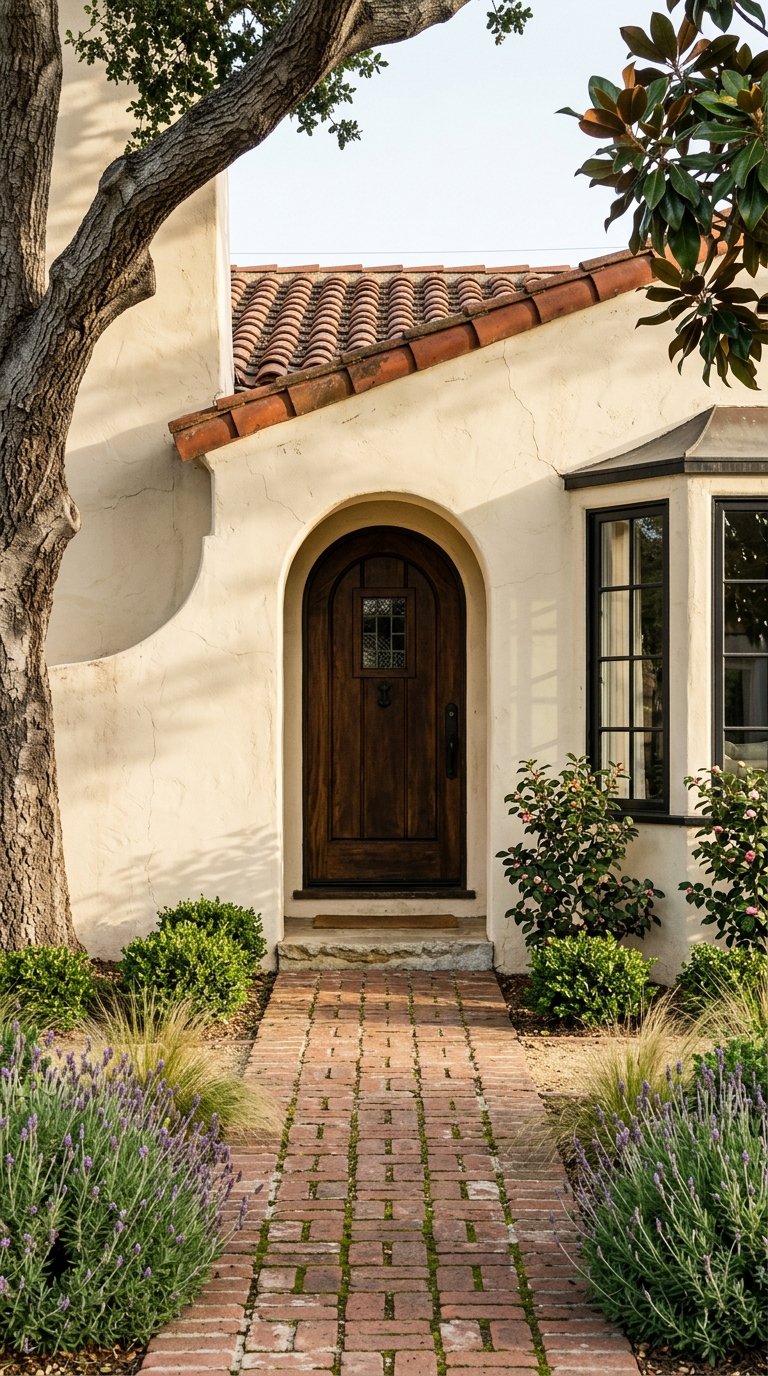
Hancock Park has a distinct architectural identity rooted in development from the 1920s on land tied to the original Rancho La Brea. The City describes the neighborhood as mostly two-story single-family homes in Period Revival styles, with deep setbacks, side driveways, and rear garages that often sit behind a porte cochere.
That layout is part of what gives the neighborhood its visual rhythm. Raised front yards, mature landscaping, historic walkways, and the original street pattern all contribute to the feeling of arrival when you move through the area.
Many of Hancock Park’s best-known homes were built in the 1920s and 1930s. Common architectural styles include Tudor Revival, English Revival, Spanish Colonial Revival, Mediterranean Revival, Monterey Revival, and American Colonial Revival.
The preservation survey also identifies Colonial Revival, French Eclectic, Mission Revival, and related revival types. In practical terms, that means two homes on nearby blocks can feel very different in design, detailing, and renovation needs.
Third-party market snapshots help frame the kind of properties buyers often encounter here. Realtor.com reported a May 2026 median listing price of $2.875 million and median days on market of 73.
Homes.com reported a median year built of 1927, an average single-family size of 3,759 square feet, and a median lot size of 8,276 square feet. These figures are not official city measurements, but they help set expectations for scale, age, and price point.
A character home in Hancock Park is not just about square footage or finish level. You are also buying into a historic streetscape, site design, and preservation framework that can affect repairs, additions, and exterior changes.
That is why your pre-offer review should go beyond the usual checklist. In this neighborhood, details like original materials, visible façade changes, and resource classification can matter just as much as kitchen updates or staging.
One of the first questions to answer is whether the home is classified as a contributing resource, a contributing-altered resource, or non-contributing. The Hancock Park survey identified 1,282 structures and sites, with 1,113 classified as contributing resources.
It also recognizes contributing-altered homes that still retain historic character because later changes were considered reversible. For you as a buyer, that classification can affect how exterior work is reviewed in the future.
When you evaluate a house, pay close attention to the elements that define its historic character from the street. The preservation plan places strong emphasis on the façade, windows, roof form, porches, doorways, and original materials.
This matters because repairs are generally expected before replacement. When replacement is needed, the plan says the new element should match the original as closely as possible in material and finish.
Windows are one of the biggest details to inspect closely before you buy. The plan says replacement windows should match the historic windows in size, shape, pane arrangement, materials, hardware, construction method, and profile.
If a home already has altered windows on a street-facing elevation, that is worth understanding early. It may influence both your restoration costs and your future renovation options.
In Hancock Park, the lot and landscape are a major part of the home’s character. The preservation guidelines emphasize the visual progression from street to sidewalk to yard to porch, along with mature trees, historic walkways, and generous front and side-yard depth.
That means site planning is not a small detail. It is part of the historic identity of the property and the block.
Historically, homes here were designed with driveways leading to rear garages. The preservation plan says front-yard parking is not acceptable, and front-yard fences are generally considered inappropriate because of the neighborhood’s park-like setting.
If a property has unusual paving, altered parking arrangements, or front-yard features that feel out of step with the block, it is smart to ask questions. Those details may have implications for future approvals or restoration work.
Hancock Park is an HPOZ, or Historic Preservation Overlay Zone. In Los Angeles, that means exterior work is subject to added review under the district’s Preservation Plan.
According to the City, exterior work including landscaping, alterations, additions, and new construction is reviewed in an HPOZ. Some projects are handled at the staff level, while others go to the HPOZ Board.
Exterior modernization is possible, but it needs to fit the historic context of the property and the district. The plan says new additions and new construction should be compatible with the historic structure’s massing, size, scale, and architectural features.
The plan also notes that adding new windows to street-visible façades is generally inappropriate. So if your vision includes a dramatic front elevation redesign, it is important to understand those limits before you commit.
For older Hancock Park homes, permit history can tell you a lot. Prior additions, façade changes, and exterior alterations may affect what work was previously approved and what may be reviewed again.
A careful review can also help you spot where a home’s current condition and its historic character may not fully align. That kind of early clarity can save time, money, and frustration later.
Many buyers want the beauty of a 1920s or 1930s home with the comfort of modern living. In Hancock Park, that usually means balancing preservation of visible character with upgrades to systems, structure, and interior function.
As a practical matter, interior and non-street-visible improvements are often easier to align with preservation rules than changes to rooflines, front elevations, windows, fencing, driveways, or street-facing landscaping. That takeaway reflects how HPOZ review works in practice.
Before you get too attached to cosmetic updates, focus on the fundamentals. A thoughtful plan usually starts with structural and systems due diligence, then moves to kitchens, baths, and floor plan changes once the exterior constraints are clearer.
That order matters in an older home. It helps you understand what must be addressed first and where your renovation budget can have the most impact.
If a property qualifies as a historic building, the California Historical Building Code may offer a more preservation-friendly path for certain upgrades. The state says it provides alternative building regulations for repairs, alterations, additions, energy conservation, seismic safety, and accessibility.
For buyers of older homes, that can be useful context when thinking about long-term stewardship. It does not remove the need for review, but it can help support modernization in a way that respects historic character.
Another smart question is whether the property has a Mills Act contract. Los Angeles City Planning describes the Mills Act as the city’s primary historic preservation financial incentive.
It works through a 10-year contract that can provide property tax savings. For some buyers, that can affect carrying costs and shape the long-term ownership picture.
The best Hancock Park purchase is usually the one where charm, condition, and future plans are all in balance. A beautifully preserved exterior may be a major asset, but you also want a clear understanding of how the home’s classification, permit history, and site design could shape your options.
That is where local strategy matters. In a neighborhood like this, success often comes from asking better questions early, not just moving quickly.
If you are considering buying a character home in Hancock Park, it helps to work with someone who can look beyond the listing photos and help you think through the property as both a home and a long-term investment in a historic Los Angeles neighborhood. If you want a calm, thoughtful approach to the search and due diligence process, connect with Sonya Chun.
Stay up to date on the latest real estate trends.
Get assistance in determining the current property value, crafting a competitive offer, writing and negotiating a contract, and much more. Contact me today.
Get in Touch to Learn More

Sonya Chun | CA DRE# 01049465
6430 W Sunset Blvd Ste 600 Los Angeles, CA 90028