Hancock Park Neighborhood Guide for Quiet City Living
June 18, 2026
June 18, 2026
If you want a neighborhood that feels more settled without giving up central Los Angeles access, Hancock Park stands out for a reason. Many buyers are looking for that exact balance: quieter residential streets, daily convenience close by, and practical ways to get across the city. This guide will walk you through what shapes Hancock Park’s calmer feel, where everyday errands fit in, and how the neighborhood connects to the rest of LA. Let’s dive in.
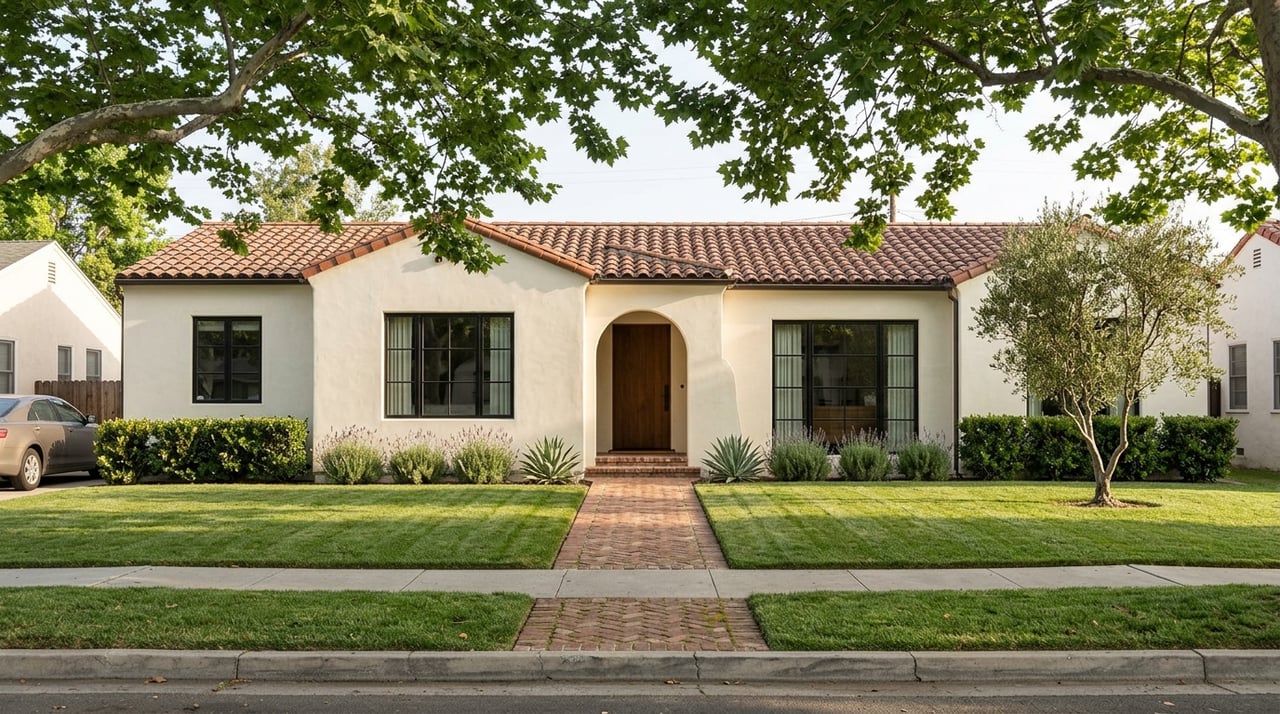
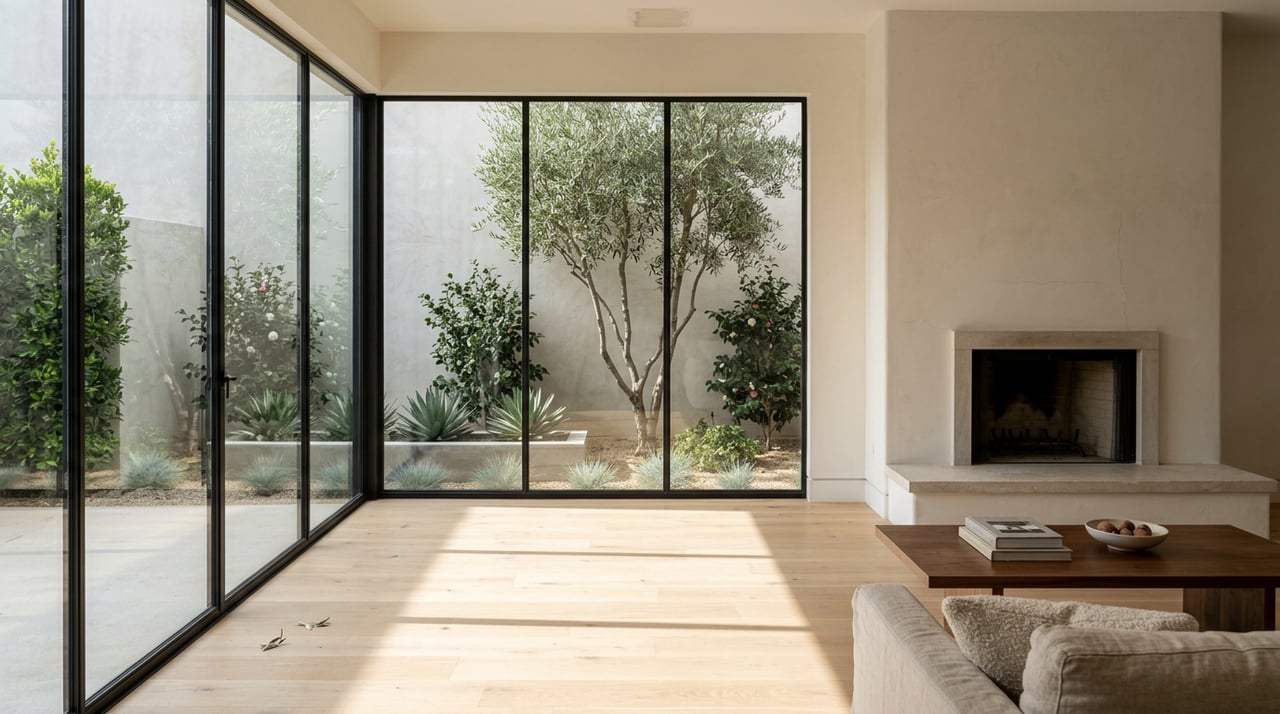
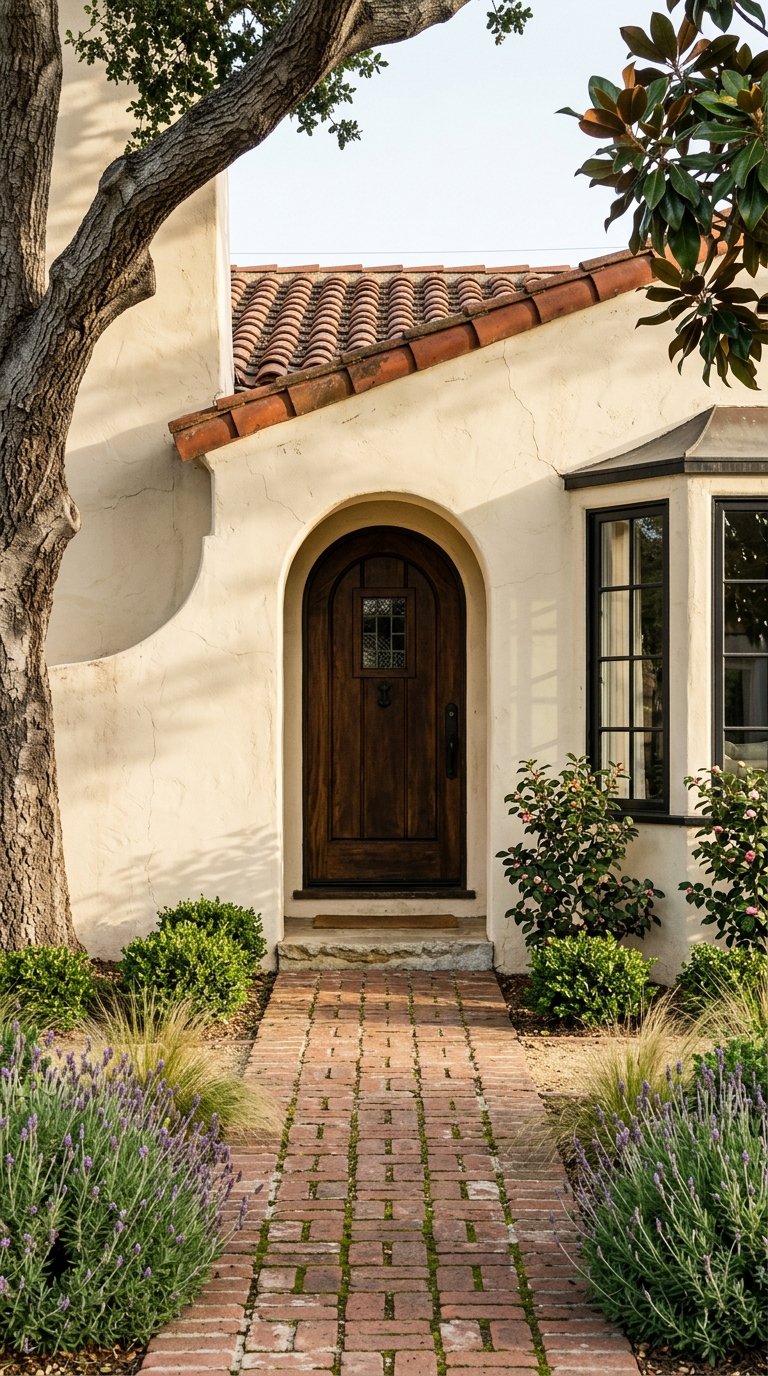
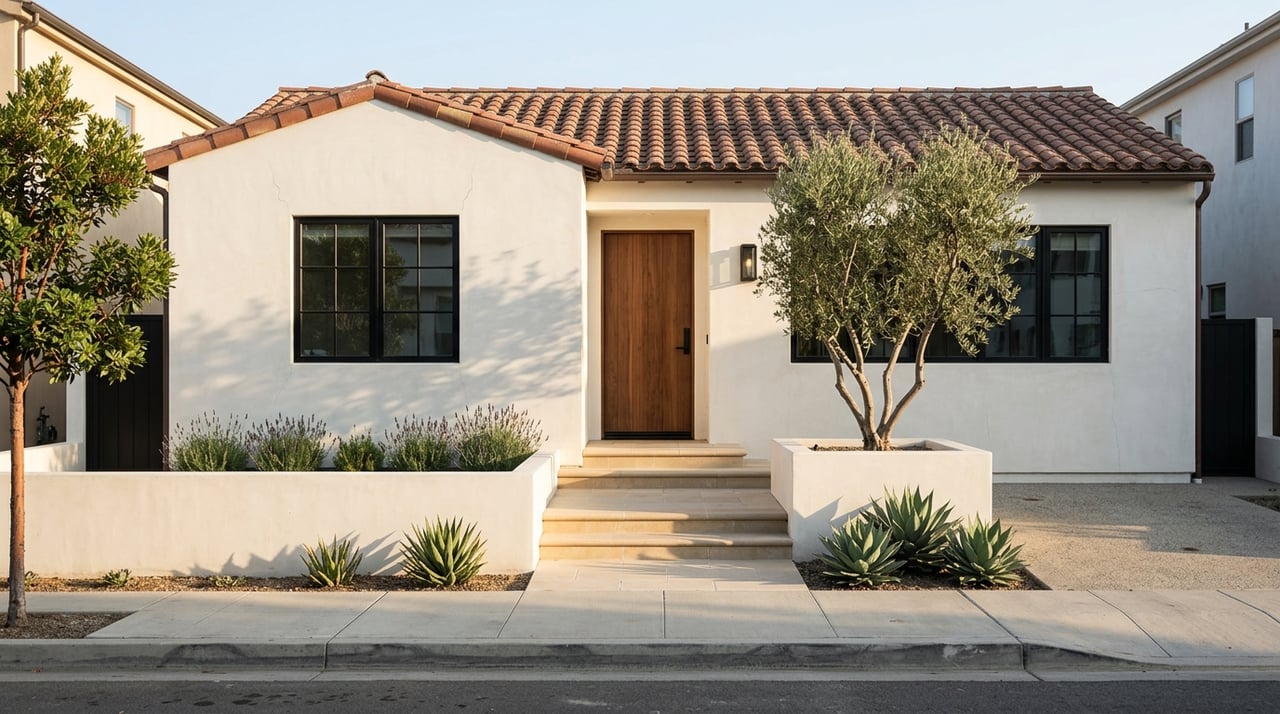
Hancock Park is a historic central Los Angeles neighborhood whose residential subdivision was developed in the 1920s. The City describes many of its homes as two-story single-family residences in Period Revival styles, with houses typically set back about 50 feet from the street and accessed by side driveways and rear garages. That design creates a more spacious street view and helps interior blocks feel less busy than nearby commercial corridors.
That sense of consistency is also supported by local preservation rules. Hancock Park is protected as a Historic Preservation Overlay Zone, adopted by the Los Angeles City Council in 2008. In practical terms, that preservation framework helps maintain the area’s older residential character and visual continuity.
For buyers, this matters because neighborhood feel is not just about traffic counts or location on a map. It is also about how streets are laid out, how homes sit on their lots, and whether the overall built environment changes dramatically from block to block. In Hancock Park, those physical details help create a quieter day-to-day experience.
A big part of Hancock Park’s appeal is that the neighborhood can feel residential without feeling isolated. You are close to central Los Angeles destinations, but the interior streets often read as home-focused rather than commercial. That can make daily routines feel more grounded, even in the middle of a large city.
If you like having options for a morning walk, a quick outing, or time outdoors, there are several nearby parks that support regular use. These are not just destination parks for occasional weekends. They can also fit naturally into an everyday schedule.
Hancock Park La Brea in Miracle Mile offers landscaped open space for walking, picnicking, and recreation. Pan Pacific Park adds a broader set of amenities, including barbecue pits, picnic tables, ball fields, courts, a children’s play area, and an indoor gym. Together, they offer both low-key outdoor time and more active recreation nearby.
Robert Burns Park on Beverly Boulevard is another close option. It includes a children’s play area and picnic tables and is open from dawn to dusk. For many buyers, having a mix of smaller neighborhood park space and larger recreation areas nearby adds flexibility to everyday living.
When people ask whether Hancock Park works for day-to-day convenience, the clearest answer starts with Larchmont Village. The Larchmont Boulevard Association describes it as being in the heart of Hancock Park, with boutique shopping, one-of-a-kind stores, and a cafe-oriented street life. That makes it one of the strongest nearby corridors for casual errands, coffee stops, and everyday neighborhood rhythm.
For a lot of residents, that kind of walkable retail matters as much as commute time. Being able to step out for a few basics, meet a friend at a cafe, or spend part of the weekend close to home can shape how a neighborhood feels over time. In Hancock Park, Larchmont helps provide that local pattern.
If you want broader options, the Wilshire corridor expands the picture. Metro identifies destinations near Wilshire/Fairfax Station that include The Grove, The Original Farmers Market, Little Ethiopia, LACMA, the Petersen Automotive Museum, and the Academy Museum. That means larger-scale dining, shopping, and cultural stops are nearby without requiring you to live directly on a major commercial stretch.
This is part of what makes Hancock Park appealing to buyers who want balance. You can enjoy quieter residential blocks while staying connected to some of central LA’s most active retail and cultural areas. The result is a neighborhood that can feel tucked in, but not cut off.
One of the strongest practical advantages in Hancock Park today is improved transit access. Metro’s D Line Extension Section 1 opened for regular service on May 8, 2026, extending west from Wilshire/Western to Wilshire/La Cienega. Metro says this section serves Hancock Park, along with Koreatown, Miracle Mile, Carthay Circle, the Fairfax District, and the gateway to Beverly Hills.
For buyers who think long term about mobility, that matters. Rail access can give you another option for commuting, meeting clients, heading downtown, or reaching other central destinations without relying entirely on driving. It also adds flexibility for households with different daily schedules.
Metro estimates travel times from Union Station at about 14 minutes to Wilshire/La Brea, 17 minutes to Wilshire/Fairfax, and 21 minutes to Wilshire/La Cienega. Those times help show how Hancock Park connects into a larger west-east corridor through central Los Angeles. If your routine includes downtown or other Wilshire-area destinations, that can be a meaningful convenience.
Wilshire/La Brea is especially relevant here because Metro says the station serves Hancock Park. That ties the neighborhood to Miracle Mile and the rest of Wilshire Boulevard in a more direct way than before. For some buyers, that may make lower car dependence more realistic than in neighborhoods without nearby rail service.
Rail is only part of the picture. Metro schedules also show bus service on several nearby corridors, including Line 20 on Wilshire Boulevard, Line 720 on Wilshire Boulevard, Line 18 between Wilshire/Western Station and Montebello, Line 10 via Melrose Avenue, and Line 14 via Beverly Boulevard. In real-world terms, that gives residents multiple east-west and feeder routes rather than one single transit option.
Because Hancock Park sits north of Wilshire and south of Melrose, these routes support access across several central LA corridors. That kind of network can be useful if your schedule changes from day to day. It also helps explain why the neighborhood can feel residential while still offering practical city connections.
Hancock Park can be a strong fit if you want a neighborhood with established residential character and access to central Los Angeles destinations. Buyers who value architecture, visual consistency, and quieter interior streets often respond well to the area’s historic layout. At the same time, nearby retail, parks, museums, and transit keep it tied into daily city life.
It may also appeal to people who want optionality in how they move around LA. If you drive some days, take transit on others, and like having dining and errands nearby, Hancock Park offers several layers of access. That flexibility can be especially useful in a city where routine and commute patterns do not always stay fixed.
For sellers, these same points often shape buyer interest. The combination of historic housing stock, preserved neighborhood character, nearby walkable retail, and improving transit access gives Hancock Park a clear identity. When a home is presented well, those neighborhood strengths can become an important part of the story.
If you are buying in Hancock Park, pay attention to the block-by-block feel. The neighborhood’s quiet reputation is tied closely to its residential design, setbacks, and preserved character, so the immediate surroundings still matter. A home near a busier edge may live differently than one tucked farther into the interior streets.
If you are selling, it helps to frame the home within the neighborhood’s daily experience. Buyers are often responding not just to square footage or style, but to the balance of calm streets, nearby amenities, and central access. A thoughtful strategy can connect those points in a way that feels clear and credible.
Whether you are buying or selling, Hancock Park is a neighborhood where nuance counts. The appeal is not only that it is central. It is that it offers a distinct mix of quiet residential character and practical access that can be hard to find in equal measure elsewhere in Los Angeles.
If you are weighing a move in Hancock Park or comparing it with other central LA neighborhoods, working with someone who understands how lifestyle, location, and property positioning come together can make the process much clearer. To talk through your goals with a calm, local, strategy-first approach, connect with Sonya Chun.
Stay up to date on the latest real estate trends.
Get assistance in determining the current property value, crafting a competitive offer, writing and negotiating a contract, and much more. Contact me today.
Get in Touch to Learn More
Sonya Chun | CA DRE# 01049465
6430 W Sunset Blvd Ste 600 Los Angeles, CA 90028